
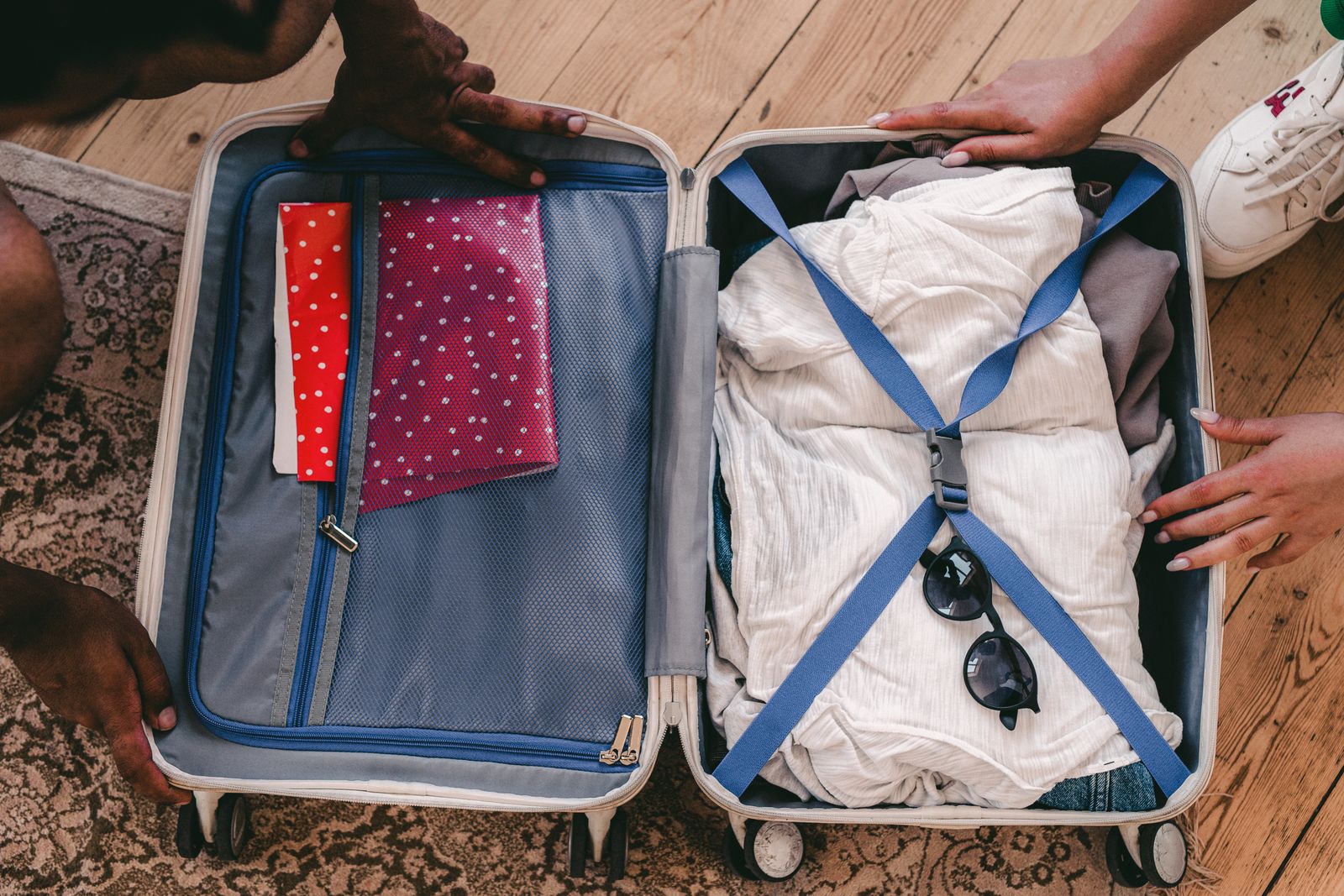
Build the list around the forecast, activities, and airline rules. Pack pieces that work together, keep essentials reachable, and verify carry-on limits before leaving home.
A three-day trip can fit into a carry-on when you plan outfits around the itinerary rather than packing a separate look for every possibility. Start with the forecast, any dress codes, and whether you expect to walk, exercise, or attend a special event. Then choose a small set of pieces that work together and leave room for what you may bring home.
Airline carry-on size and weight rules vary, and a fare may change what baggage is included. Check your airline’s current page for your exact flight before you pack. The checklist below is a planning aid, not a promise that every bag will fit every aircraft.
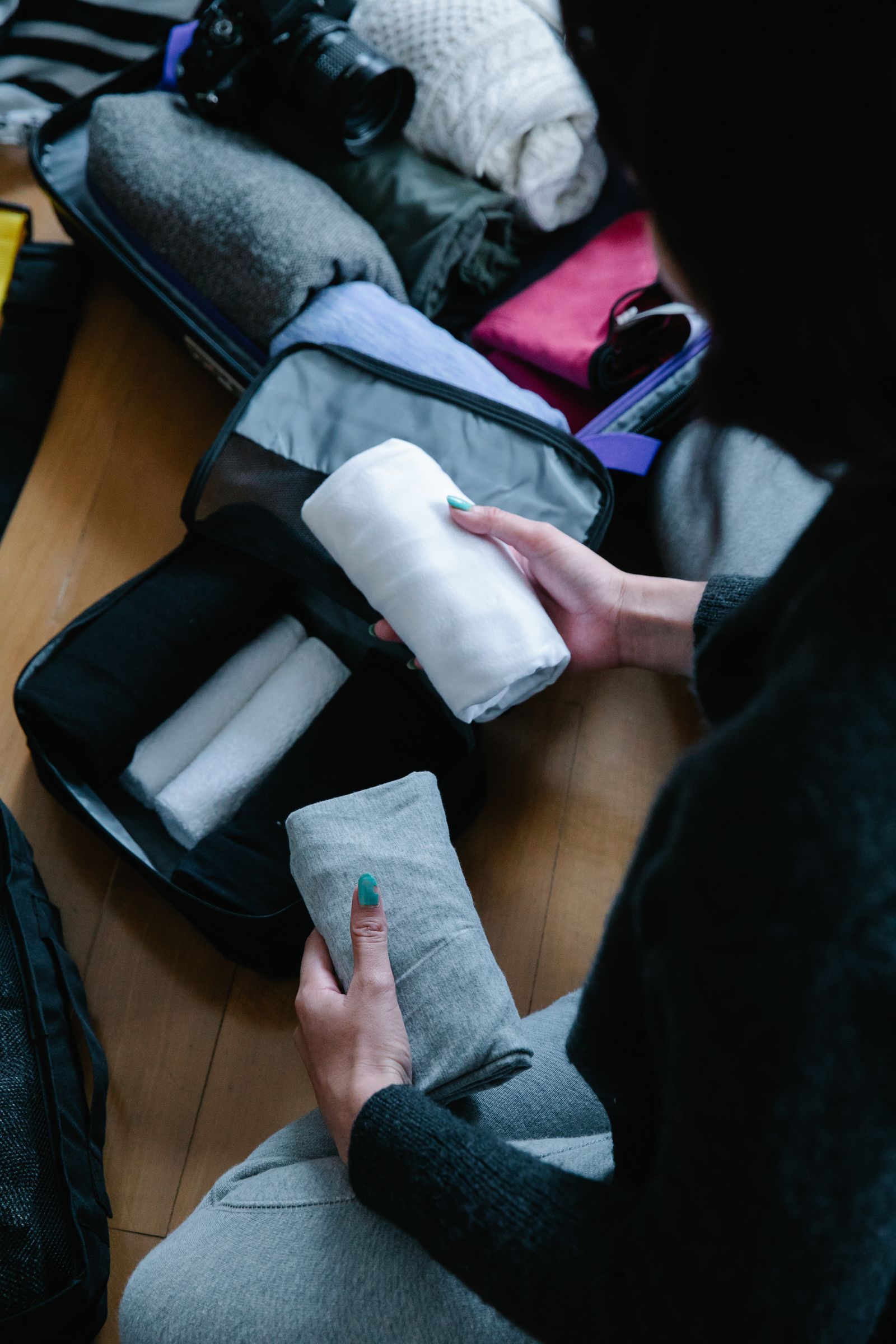
A flexible three-day checklist
Clothing: Choose three everyday outfits or a smaller capsule that can be mixed and repeated. Add sleepwear, underwear and socks for each day, one extra layer for changing indoor or outdoor temperatures, and activity-specific clothing if the itinerary needs it. Wear the bulkiest shoes and outer layer while traveling when that is comfortable.
Shoes and accessories: One versatile pair may be enough for a simple itinerary; add a second pair only if an activity or dress code calls for it. Pack a small bag for dirty or damp clothing, and bring accessories that work with more than one outfit.
Toiletries: Transfer only what you will use into travel-size containers, or choose solid alternatives where practical. Keep liquids accessible for screening. TSA’s travel checklist says carry-on liquids, gels, and aerosols generally follow the 3-1-1 rule: containers of 3.4 ounces or less, fitting in one quart-size clear bag per passenger. Check TSA’s current page for exceptions and item-specific rules.
Medication and health items: Carry necessary medication in its original packaging when practical and check current airport guidance for medical items. Keep essentials accessible rather than burying them in the bottom of a bag. For medical questions, follow your clinician’s directions.
Documents and money: Keep identification, payment cards, reservation details, and any travel documents required for your trip together. Use digital copies only as a backup; your phone can lose power or connection.
Technology: Pack the chargers and cables you need, plus a small power bank if you use one and the airline permits it in your baggage. Keep larger electronics easy to reach for screening, following current TSA instructions.
Make the outfits do more than one job
Choose a simple color palette so tops, bottoms, and layers combine without much thought. If the forecast is uncertain, add a compact layer or rain shell rather than a second bulky outfit. Check the plan for the coldest, warmest, and wettest part of the trip; the airport temperature is not the only condition that matters.
For a work trip, plan one outfit that meets the most formal event and use smaller accessories to vary the rest. For a city weekend, prioritize comfortable shoes and layers that suit the walking distance. For a family visit, consider whether laundry is available before adding extra clothes “just in case.”
Pack by access, not only by folding method
Put the items you might need during travel near the top: medication, a light layer, headphones, documents, and the clear liquids bag. Separate shoes and worn clothing from clean items. Packing cubes can help organize, but they do not create extra bag capacity; leave room for the cubes themselves and make sure zippers close without force.
Before departure, weigh the packed bag if your airline has a weight limit. Put the bag in the overhead-bin size checker if available, and check whether your ticket includes a personal item as well as a carry-on. Our Away vs. Monos comparison explains which dimensions to compare when choosing a suitcase; airline limits remain the final check.
The night-before review
- Confirm the forecast and your first day’s plans.
- Check baggage size, weight, and included allowance with the airline.
- Review TSA’s current restricted-item and liquids guidance.
- Charge devices and keep important documents easy to reach.
- Remove anything you packed without a clear use.
A short trip does not need a perfect capsule wardrobe. The goal is to pack enough for the real itinerary while keeping the bag manageable. If a specific activity or weather change calls for extra gear, make that choice deliberately and check whether your bag and ticket can accommodate it.
Sources
General editorial guidance. No hands-on product testing or affiliate links are included.