
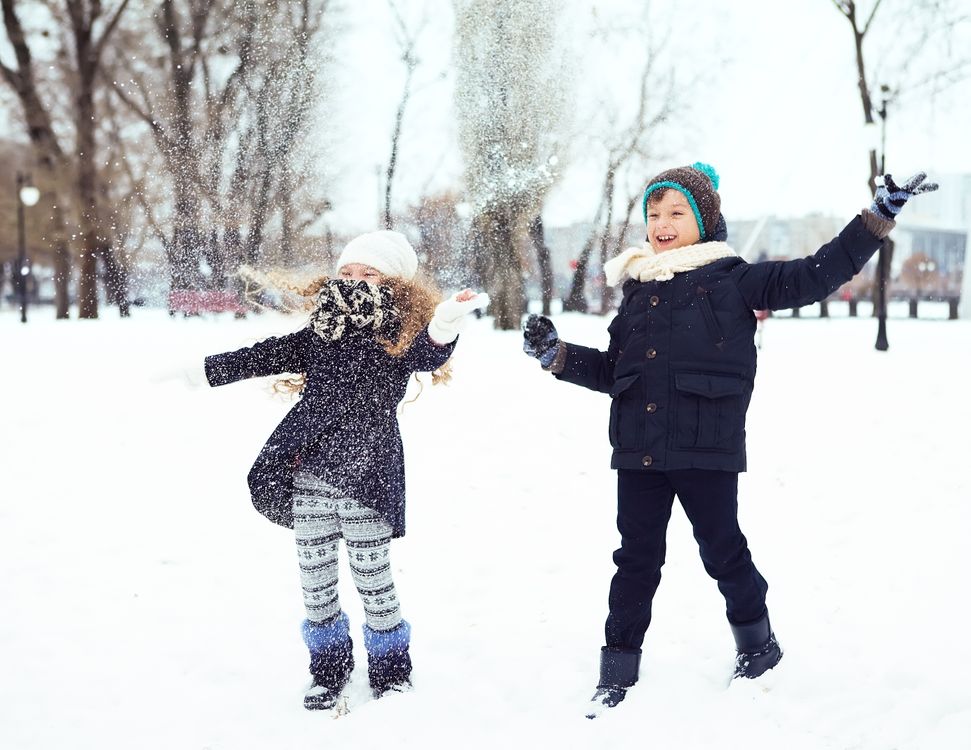
Dress for the forecast and the child's activity with comfortable layers that are easy to adjust. Product examples are drawn from current brand listings and have not been tested by ReviewClearly.
Getting a child dressed for winter is easier when the outfit matches the day. A short walk to school, a wet playground, and an afternoon in fresh snow do not call for the same layers. Start with the local forecast and how active the child will be, then choose pieces that are warm enough without making it hard to move.
This guide covers kids of all genders. Preferences, fit, age, and activity matter more than whether a garment is labeled “boys” or “girls.” The products below are real examples from retailer listings, not tested recommendations from ReviewClearly. Product availability and size runs can change.
A flexible layer-by-layer starting point
Begin with a comfortable base layer, add a middle layer such as a fleece or sweater when needed, and finish with a jacket that suits the weather. On a mild day or during energetic play, fewer or lighter layers may be more comfortable. For rain or snow, check whether the outer layer is designed for those conditions rather than assuming every padded coat is waterproof.
Reima's cold-weather guidance also recommends dressing children in layers and adjusting warmth to how much they are moving. Use that as a general starting point, then follow local weather guidance and the child's comfort. Read Reima's guide.
1. School morning: easy layers for changing temperatures
For a cool school run, try a long-sleeve top, a sweatshirt or fleece, and a coat the child can open or remove indoors. Add pants that allow sitting and running comfortably. Choose closures the child can manage independently when possible, and check that sleeves and hems do not interfere with movement.
Keep a hat and gloves in a pocket or backpack when the morning is colder than the afternoon. This small adjustment can be more useful than putting the child in a single bulky outfit that stays on all day.
2. Playground time: warm enough to move
For active outdoor play, start with a base layer that feels comfortable and add a light insulating layer if the weather calls for it. A jacket with room to climb, bend, and reach is more practical than one that restricts movement. If the ground is damp, consider water-resistant outerwear and shoes suited to the surface.
Pause to check whether the child is comfortable, especially after running. Children may warm up quickly while playing, and a removable layer helps caregivers adjust without ending the activity.
3. Wet or snowy weather: protect the outside layer
When the forecast includes rain, slush, or snow, use an outer jacket and footwear made for wet conditions. A warm mid-layer can sit beneath it, while waterproof or water-resistant pants may help for extended snow play. Dry socks are worth packing for longer outings.
The REI Co-op Timber Mountain Insulated Jacket for kids is one product example listed as insulated and waterproof by REI. It is aimed at a more weather-exposed use than a basic everyday coat. Check the current product page for size, care, and feature details; this guide has not tested the jacket.
4. A dry, crisp day: a lighter insulated layer
For a short walk or cool day without rain, a lighter insulated jacket over a long-sleeve top may be enough. Leave room for movement and avoid buying a size so large that the cuffs, shoulders, or hem become difficult to manage.
For infants and toddlers, REI lists a Reversible 650 Down Jacket for Infants'/Toddlers'. It is an example of a lighter insulated option, not a waterproof snow outfit. Check the current REI listing for size range, materials, fit notes, stock, and care before choosing it.
5. Cold-weather footwear: match the boot to the outing
For snow or wet sidewalks, look for the footwear's intended conditions, closure, and fit notes. A boot that is difficult to put on or too loose at the heel may end up unused, even if it looks right for winter. Leave enough room for socks while keeping the fit secure and comfortable.
L.L.Bean's Kids' Access Insulated Snow Boots are one real example described by the retailer as insulated snow boots. Review the current listing for the exact sizes, materials, and care guidance. A snow boot is not necessary for every winter climate; choose footwear for the child's real routes and activities.
A quick parent checklist
- Check the day's temperature, wind, and precipitation before getting dressed.
- Choose layers the child can move in and adjust when activity or temperature changes.
- Check garment labels for weather protection, washing, and drying instructions.
- Pack spare socks or gloves for longer outdoor plans when wet conditions are possible.
- Recheck fit as the child grows; cuffs, hems, and footwear should remain manageable.
The best winter outfit for a child is a comfortable one that fits the forecast, supports movement, and can be adjusted during the day. Use the product examples as a starting point for comparison, then confirm the current details with the retailer before buying.
Desk research from REI Co-op and L.L.Bean listings checked October 22, 2026. The examples are not ranked, have not been hands-on tested, and link to official retailer pages rather than affiliate offers.