
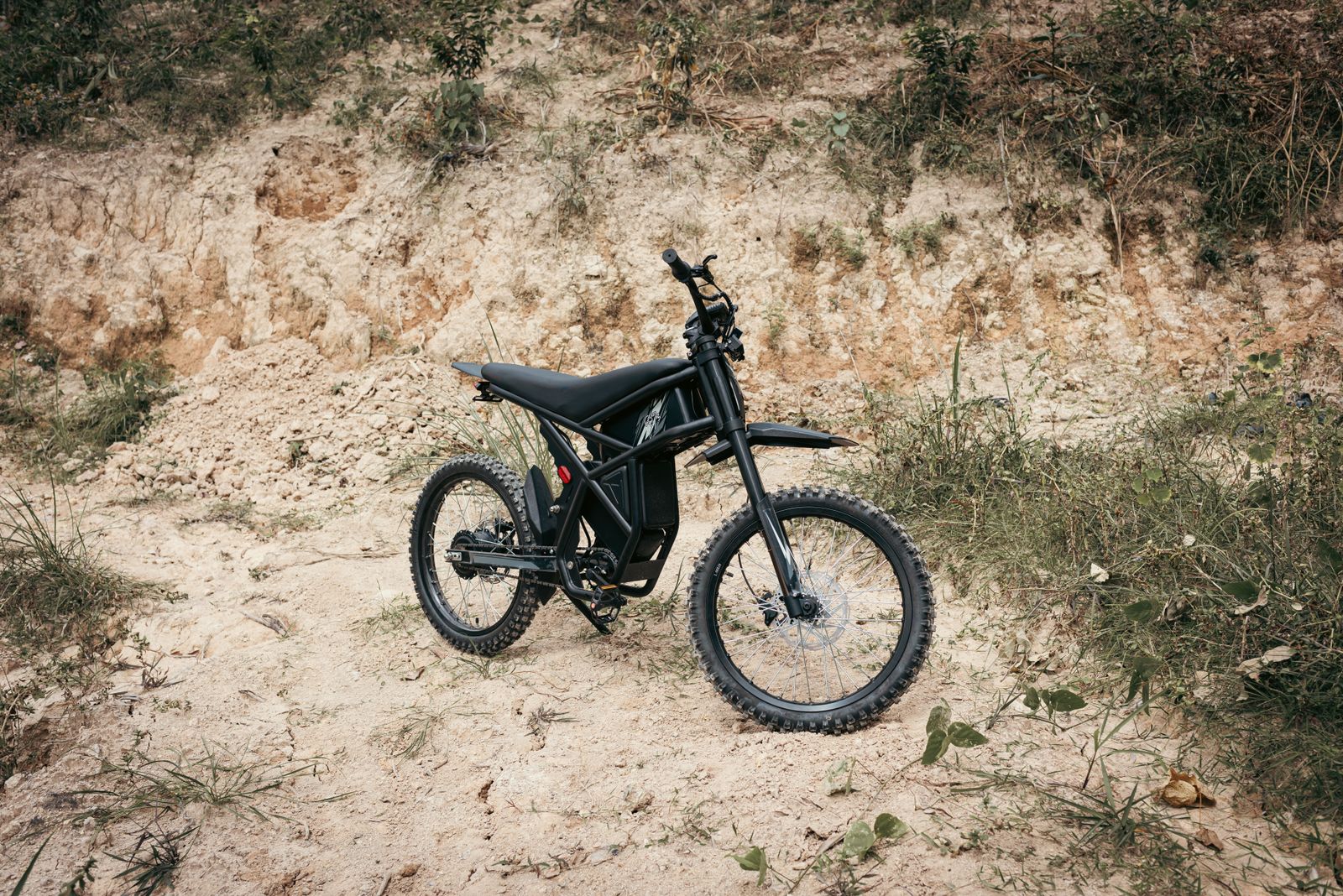
Start with the route and local classification. A pedal-equipped e-bike and an electric dirt-style motorcycle can be regulated differently, even when both use electric motors.
The phrase “electric bike” can describe very different machines. One may have working pedals and assist a rider’s own pedaling; another may look and operate more like a small electric motorcycle. The distinction affects where you may ride, what safety gear you need, and which rules to check before paying.
The images here are illustrative examples of different vehicle styles. They do not identify a specific model, verify its specifications, or show a route where it is permitted. This guide is a planning framework, not legal advice. Classification and access rules can vary by state, city, trail manager, and vehicle configuration.
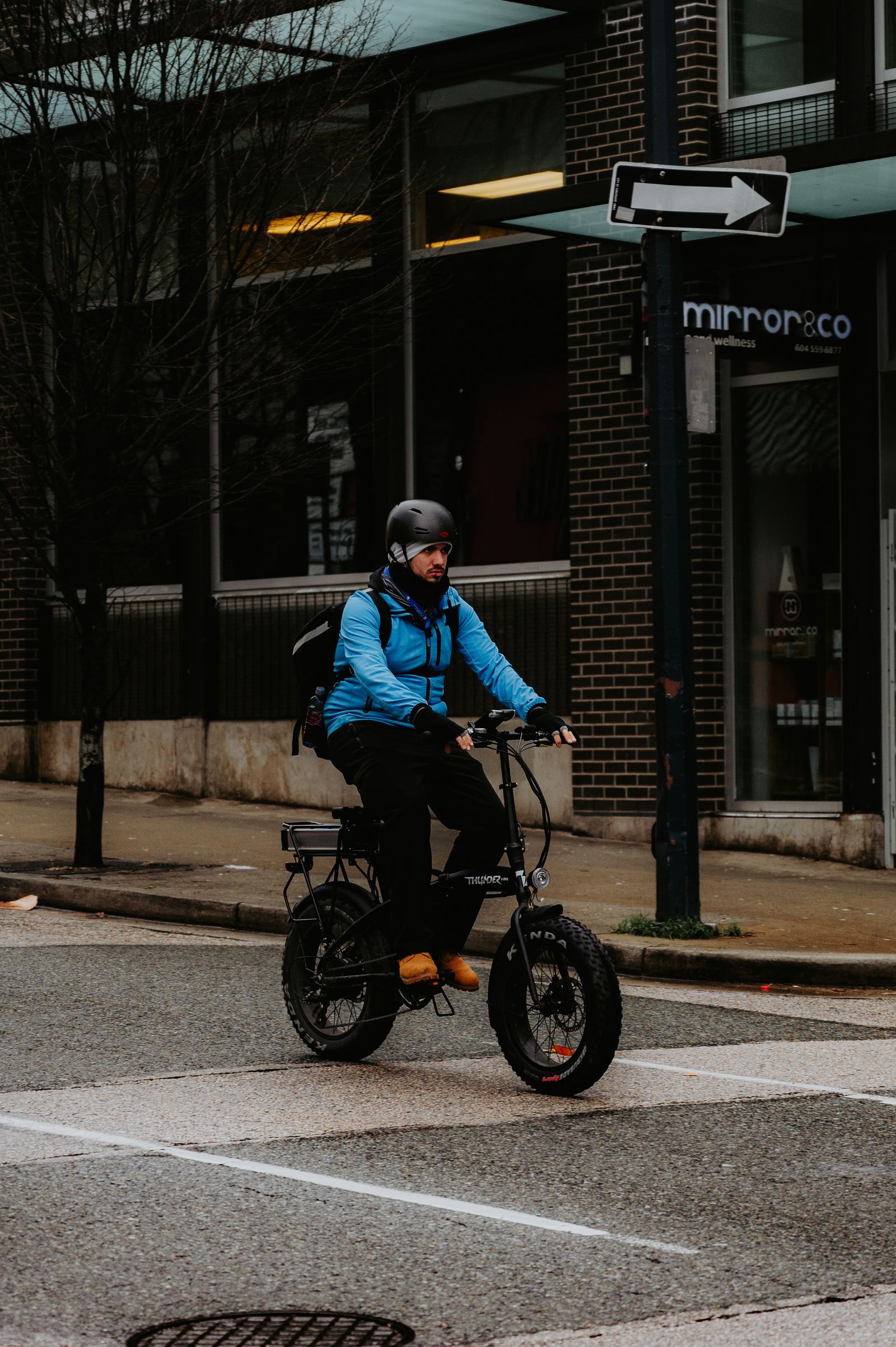
First, identify what the vehicle is designed to do
An electric bicycle generally combines operable pedals with motor assistance. The U.S. Consumer Product Safety Commission’s bicycle definition describes a powered bicycle with fully operable pedals and a motor under 750 watts that stays within a specified speed threshold when powered by the motor alone. Many states use class-based rules for e-bikes, but definitions and access restrictions are not uniform everywhere.
An electric dirt-style bike may have motorcycle-like geometry, higher power or speed, and may not meet a jurisdiction’s e-bike definition. A listing that calls something an “e-bike” does not settle its legal status. Check the manufacturer’s label and manual for motor output, maximum assisted speed, pedals, throttle, weight, and intended use, then compare those facts with your local rules.
The CPSC’s bicycle information and NHTSA’s bicycle safety guidance are useful starting points. For public roads and trails, verify requirements with the state agency and land manager responsible for the route.
Compare by your actual route
| Your main use | Questions to answer before shopping |
|---|---|
| Paved commute | Does the vehicle meet the local e-bike definition? Are pedals, lights, reflectors, brakes, and required equipment present? |
| Neighborhood ride | What age, helmet, speed, sidewalk, and roadway rules apply where you live? |
| Dirt or private property | Is the machine allowed on the land, and what protective equipment or supervision does the owner require? |
| Managed trail | Does the trail specifically allow this vehicle class and motor type? Check current closures and access rules. |
| Transport and storage | Can you safely lift, store, and charge the vehicle? Does the battery and charger have appropriate safety documentation? |
Do not assume that a vehicle allowed on one path is allowed on another. A trail manager may distinguish pedal-assist bicycles, throttle e-bikes, and motorized dirt bikes. Get the current rule from the relevant authority rather than relying on a seller’s general statement.
E-bikes and dirt bikes solve different problems
A pedal-assist e-bike can suit someone who wants to ride a bicycle with motor support for commuting or longer recreational trips, subject to local regulations. Check fit, brake setup, total weight, battery handling instructions, and how the motor assistance is activated. A product’s range estimate depends on riding conditions, load, terrain, temperature, and assist level; compare estimates only when the maker explains its test assumptions.
An electric dirt bike is aimed at off-road riding or private land, depending on its design and approval. Compare frame size, seat height, braking, suspension, controls, and the rider’s experience. Confirm whether it is intended for a child or adult and follow age and supervision guidance. A product being electric does not make it a bicycle or automatically make it street legal.
Check the battery and charging details
For either type, read the battery and charger manual. Use the supplied or manufacturer-approved charger, follow the stated charging and storage instructions, and stop using a battery that is damaged, unusually hot, swollen, or behaving abnormally. Check whether replacement batteries and service support are available before buying.
The CPSC’s e-bike battery safety resources discuss charging and fire-safety practices for micromobility devices. Avoid relying on a product listing alone for electrical safety claims; look for clear documentation and consult the manufacturer about certifications and recall information.
A decision checklist
- Write down the routes and surfaces you will actually use.
- Find the current rules for each route and your local jurisdiction.
- Match the vehicle’s official specifications and label to those rules.
- Compare fit, braking, battery care, service, and total weight.
- Choose protective gear and supervision appropriate to the ride.
If the classification remains unclear, do not buy on assumption. Ask the manufacturer for the exact vehicle class and ask the agency or trail manager whether that class is allowed. That extra check can prevent an expensive mismatch between the machine and the places you plan to ride.
Sources
General editorial guidance. No hands-on product testing or affiliate links are included.